Franklin County · Arkansas · 30 miles north-east of Fort Smith
Pest control in Mulberry, AR
A river town on the Mulberry at the foot of the Ozarks
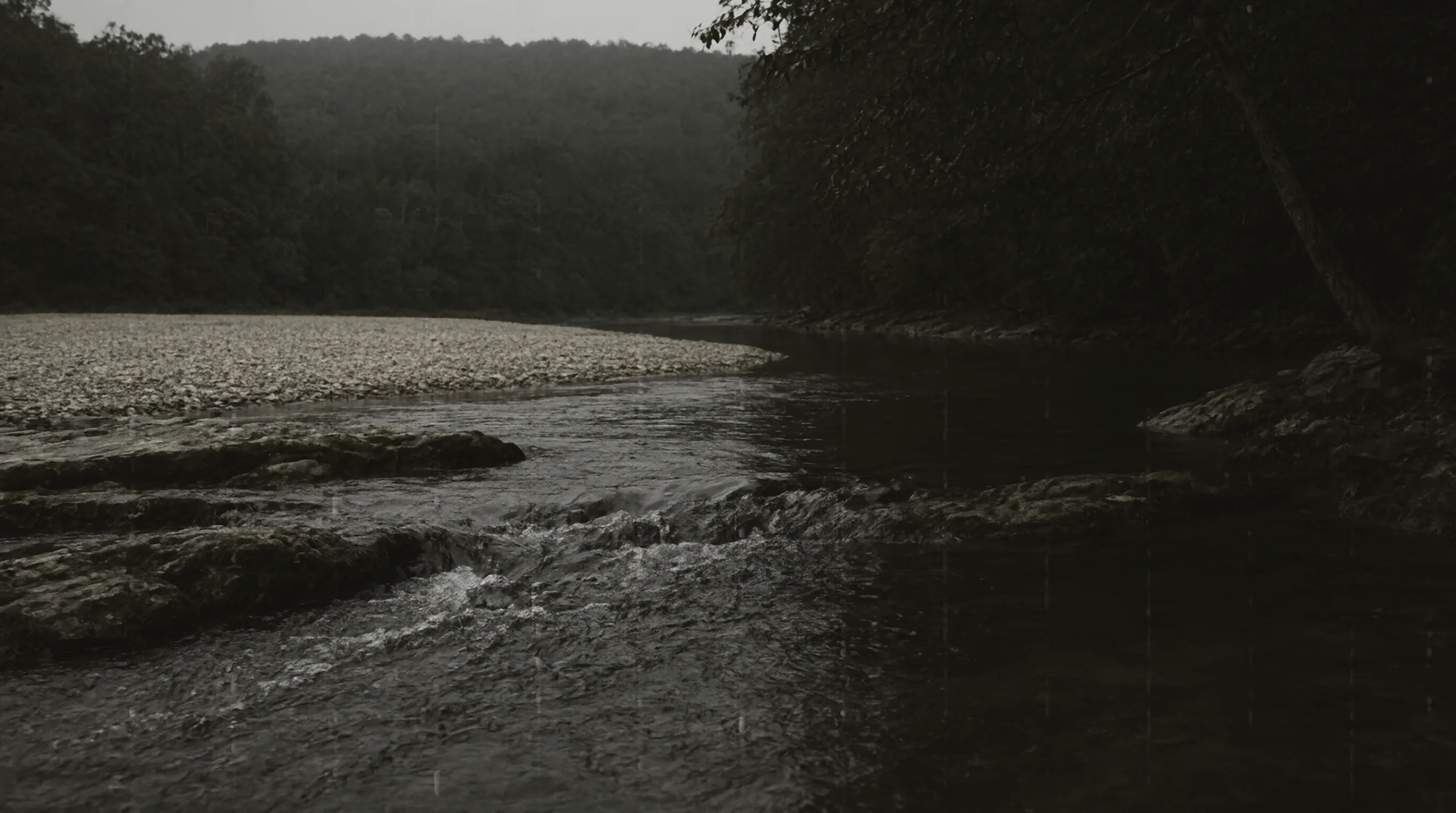
Mulberry sits on Highway 64 at the Mulberry River, where the Arkansas River valley starts to give way to the Ozark highlands. It is a small river town with wooded acreage, floating recreation and a pest profile shaped by both river and timber.
- Independent
- Licensed & insured
- Free & no obligation
- Local to the River Valley
About the area
What makes Mulberry different
Mulberry is a small Franklin County town on the Mulberry River, strung along Highway 64 between Ozark and the Crawford County line. The river is the town’s identity — it is a popular floating and canoeing run, and the bottomland along it shapes everything about the community.
The terrain rises to the north into the Ozark foothills, and the combination of bottomland and hillside timber produces a wider pest range than a town of this size might suggest. River properties get mosquitoes and moisture-driven termites; hillside acreage gets ticks, wildlife and fire ants.
It is a quiet community of older homes, newer rural construction, outbuildings and a good deal of timber contact — which is exactly the profile that rewards prevention rather than reaction.
Housing & construction
Older town homes along Highway 64, rural acreage on the hillsides, and a substantial number of seasonal river camps. Seasonal structures deserve special attention because of how long they sit unused.
Climate & terrain
River-bottom humidity on the valley floor, cooler and drier on the hillsides. The river corridor is shaded much of the day and stays humid well after the valley has dried.
Local pressure
What we see in Mulberry
Every community in the River Valley has the same broad set of pests. What differs is the proportion — and that is what determines which problems actually show up in your house, your lawn and your outbuildings.
- High
Mosquitoes
The Mulberry River bottom and shaded, slow-draining lots.
- Moderate
Subterranean termites
Moist bottomland and wood-to-soil contact at river camps.
- High
Ticks
Hillside timber, pasture margins and riverbank vegetation.
- Moderate
Wildlife
Squirrels, raccoons and skunks along the timber and river.
- Moderate
Fire ants
Open pasture and lawn on the hillsides.
- Moderate
Brown recluse
Seasonal river camps and undisturbed storage.
Neighbourhood detail
It varies street by street
Mulberry is not one pest environment. These are the areas where we see the sharpest differences in what turns up and why.
-
The river bottom
Low-lying lots along the Mulberry. Mosquitoes, moisture-driven termites and seasonal flooding-related drainage issues.
-
The Highway 64 corridor
Older town homes with detached garages and mature shade trees. Brown recluse and ants along the foundation.
-
The hillside acreage
Wooded slopes and pasture. Ticks, chiggers, wildlife and fire ants.
-
Outbuildings and river camps
Seasonal structures and storage. Overwintering insects, rodents and spiders.
Field notes
Specific things worth knowing
- River camps and seasonal structures sit empty for months at a time — exactly the undisturbed conditions brown recluse and overwintering insects prefer. Inspect them before opening up for the season.
- Hillside acreage gets noticeably more tick pressure than the valley floor. Treat the woodland edge and check everyone after time in the brush.
- Bottomland drainage is worth fixing before it becomes a mosquito problem. Grading and downspout extensions are usually cheaper than a full season of treatments.
- Keep firewood and stacked lumber off the ground and away from structures — it is both a termite and a rodent attractant.
Seasonal pattern
Month-by-month pest pressure
Pressure levels for the River Valley apply to Mulberry closely. Use this to plan prevention rather than react to problems.
| Pest | Jan | Feb | Mar | Apr | May | Jun | Jul | Aug | Sep | Oct | Nov | Dec |
|---|---|---|---|---|---|---|---|---|---|---|---|---|
| Termites March – May | Low | Low | High | Peak | Peak | High | Moderate | Moderate | Moderate | Low | Low | Low |
| Brown recluse September – November | Moderate | Moderate | Moderate | Moderate | High | High | High | High | Moderate | High | Peak | High |
| Mosquitoes May – September | None | None | Low | Moderate | Peak | Peak | Peak | Peak | Peak | High | Low | None |
| Fire ants May – September | None | None | Low | High | Peak | Peak | Peak | Peak | High | High | Low | None |
| Ticks April – August | None | Low | Moderate | High | Peak | Peak | Peak | High | High | Moderate | Low | None |
| Ants April – August | Low | Low | Moderate | High | Peak | Peak | Peak | Peak | High | Moderate | Low | Low |
- None
- Low
- Moderate
- High
- Peak
Want the full month-by-month detail? Read the seasonal pest calendar.
Services
What providers do in Mulberry
These are the services most requested by Mulberry homeowners. Each page explains what the work involves and what it costs.
- Public health Mosquito & Tick Control Seasonal barrier treatments for yards, perimeters and outdoor living space
- Structural Termite Control & Inspection Inspection, treatment and long-term protection in the termite belt
- Wildlife Wildlife & Critter Removal Humane removal and exclusion for squirrels, raccoons, bats and snakes
- Nuisance & public health Ant Control (including Fire Ants) Kitchen trails, carpenter ants and fire ant mounds across western Arkansas
Local pricing
What pest control costs in Mulberry
River camps that sit empty for months pull overwintering work into the job, and hillside acreage takes longer to cover than the same size lot on the valley floor.
| Service | Typical range | Basis | Notes |
|---|---|---|---|
| General pest plan (quarterly) | $100 – $185 | per quarter | Ants, spiders, roaches and occasional invaders in Mulberry |
| Termite inspection | Free – $150 | per inspection | Often free with a treatment quote in Franklin County |
| Termite liquid soil treatment | $800 – $2,500 | per home | Slab homes at the lower end; crawlspaces higher |
| Mosquito seasonal program | $450 – $1,100 | per season | 6–8 visits, April through September |
| Rodent trapping + exclusion | $250 – $2,500 | per job | Scales with the number of openings and structures |
| Fire ant lawn program | $150 – $400 | per season | Two broadcast treatments per season |
Common questions
Mulberry pest control questions
What pests are common in Mulberry, Arkansas?
Mosquitoes along the river bottom, ticks on the wooded hillsides, subterranean termites on moist ground, and fire ants on open pasture. River camps and seasonal structures also see brown recluse and overwintering insects.
Should I inspect my river camp before opening it for the season?
Yes. A structure that has sat unused since autumn is exactly what brown recluse, rodents and overwintering insects look for. Open it up, air it out and inspect before you settle in.
Are ticks really that bad in this area?
On the wooded hillsides and riverbank vegetation, yes. Lone Star ticks are the dominant species and they are aggressive. Use repellent, wear treated clothing and check thoroughly after time in the brush.
What about termites at a property on the river?
Moist bottomland is high-risk ground. Have the property inspected annually, and check any wood-to-soil contact — decks, steps, posts, stored lumber and dock structures.
Do you serve properties outside the town limits?
Yes. Rural acreage across Franklin County is within the service area. Perimeter length and travel time affect pricing, but coverage is the same.
Get quotes for pest control in Mulberry
Tell us what you are dealing with and we will match you with licensed, insured providers serving Mulberry and Franklin County. Free, no obligation, and your details are never sold.
- Licensed & insured. Every provider is verified against state licensing records before we refer them.
- No obligation. Get quotes, compare them, and decide in your own time. Or do nothing at all.
- Never sold. Your details go to matched providers only. No data brokers, no call lists.