Sebastian County · Arkansas · 15 miles south of Fort Smith
Pest control in Greenwood, AR
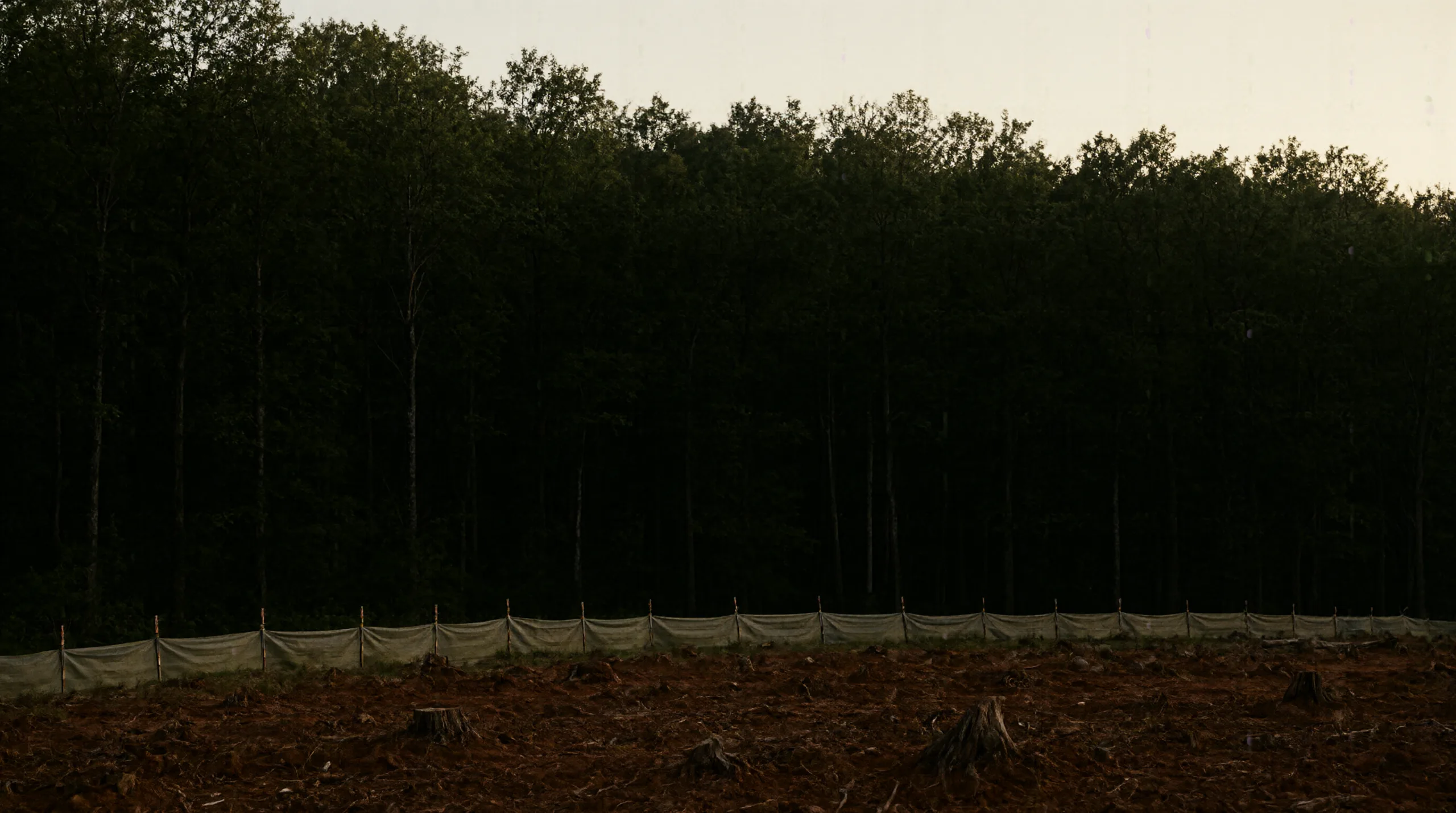
New streets on land that was pasture and timber within living memory
Greenwood is one of Sebastian County’s two county seats and the centre of one of the fastest-growing school districts in the region. The growth is recent enough that it still shows up as pest pressure — fire ants arriving with the new sod, termites turning up in debris buried near a new slab.
- Independent
- Licensed & insured
- Free & no obligation
- Local to the River Valley
About the area
What makes Greenwood different
Greenwood sits at the junction of Highways 71 and 10, roughly fifteen minutes south of Fort Smith along the Highway 71 bypass. It is the seat of Sebastian County government and the centre of one of the fastest-growing school districts in the region.
Most of the residential growth has come on land that was agricultural or timber within the last twenty years. New subdivisions are graded, sodded and built in a single phase, and that combination — cleared pasture, construction debris, new sod and fresh irrigation — reliably produces fire ant colonies and early termite pressure.
The terrain rises toward the Poteau Mountain foothills to the south-west, so the outer edge of town gets more wooded and more rural, with the tick, mosquito and wildlife pressure you would expect at the transition from town to timber.
Housing & construction
A younger housing stock than Fort Smith or Van Buren, with substantial new construction on former pasture and timber. Slab-on-grade is the dominant foundation type, which generally lowers termite treatment cost — but the cleared-pasture origin of the lots offsets that advantage.
Climate & terrain
Slightly higher elevation than the river terrace, so marginally cooler nights and a touch less humidity. Rainfall is comparable. The wooded edge south-west of town holds moisture and shade longer than the open subdivisions.
Local pressure
What we see in Greenwood
Every community in the River Valley has the same broad set of pests. What differs is the proportion — and that is what determines which problems actually show up in your house, your lawn and your outbuildings.
- High
Fire ants
New sod on cleared pasture. Mounds appear within days of heavy rain.
- High
Subterranean termites
Buried construction debris near new slabs is a genuine and common cause.
- Moderate
Mosquitoes
Shaded lots, garden irrigation and drainage features in new developments.
- Moderate
Ticks
Wooded edges and the transition to timber south-west of town.
- Moderate
Brown recluse
Detached garages, attics and storage in established homes.
- Moderate
Rodents
Commercial corridor and properties near the rural edge.
Neighbourhood detail
It varies street by street
Greenwood is not one pest environment. These are the areas where we see the sharpest differences in what turns up and why.
-
The Highway 71 corridor
Commercial and multifamily development with shared parking, dumpsters and loading areas. Rodent and cockroach pressure is concentrated here.
-
New subdivisions south and west
Fresh sod and graded fill on former pasture. Fire ants in the first two seasons; termite pressure from buried construction debris near new slabs.
-
Bell Park and the older town centre
Mid-century homes on larger, tree-shaded lots. Mature canopy, leaf litter and mulch beds support heavy ant and spider populations.
-
The rural edge toward Poteau Mountain
Wooded acreage and hobby farms. Ticks, chiggers, wildlife and cattle-adjacent fly pressure.
Field notes
Specific things worth knowing
- If you are buying new construction in Greenwood, schedule a termite inspection at the one-year mark and ask specifically whether slab debris was removed before pouring.
- Fire ant mounds in a new subdivision will not stay in one yard. A whole-street treatment is more effective than individual mound work and usually costs less per property.
- Homes near the wooded edge south-west of town should treat for ticks as well as mosquitoes — a mosquito-only perimeter treatment misses the woodland band.
- The Highway 71 commercial corridor drives the rodent pressure for adjacent residential streets. Dumpster placement and container management matter more than most people expect.
Seasonal pattern
Month-by-month pest pressure
Pressure levels for the River Valley apply to Greenwood closely. Use this to plan prevention rather than react to problems.
| Pest | Jan | Feb | Mar | Apr | May | Jun | Jul | Aug | Sep | Oct | Nov | Dec |
|---|---|---|---|---|---|---|---|---|---|---|---|---|
| Termites March – May | Low | Low | High | Peak | Peak | High | Moderate | Moderate | Moderate | Low | Low | Low |
| Brown recluse September – November | Moderate | Moderate | Moderate | Moderate | High | High | High | High | Moderate | High | Peak | High |
| Mosquitoes May – September | None | None | Low | Moderate | Peak | Peak | Peak | Peak | Peak | High | Low | None |
| Fire ants May – September | None | None | Low | High | Peak | Peak | Peak | Peak | High | High | Low | None |
| Rodents October – February | High | High | Moderate | Low | Low | Low | Low | Low | Moderate | Peak | Peak | Peak |
| Ticks April – August | None | Low | Moderate | High | Peak | Peak | Peak | High | High | Moderate | Low | None |
- None
- Low
- Moderate
- High
- Peak
Want the full month-by-month detail? Read the seasonal pest calendar.
Services
What providers do in Greenwood
These are the services most requested by Greenwood homeowners. Each page explains what the work involves and what it costs.
- Nuisance & public health Ant Control (including Fire Ants) Kitchen trails, carpenter ants and fire ant mounds across western Arkansas
- Structural Termite Control & Inspection Inspection, treatment and long-term protection in the termite belt
- Public health Mosquito & Tick Control Seasonal barrier treatments for yards, perimeters and outdoor living space
- Wildlife Wildlife & Critter Removal Humane removal and exclusion for squirrels, raccoons, bats and snakes
Local pricing
What pest control costs in Greenwood
Slab-on-grade construction generally prices at the lower end for termite work. Fire ant programs for new subdivisions are often negotiated per-street when several neighbours book together.
| Service | Typical range | Basis | Notes |
|---|---|---|---|
| General pest plan (quarterly) | $100 – $185 | per quarter | Ants, spiders, roaches and occasional invaders in Greenwood |
| Termite inspection | Free – $150 | per inspection | Often free with a treatment quote in Sebastian County |
| Termite liquid soil treatment | $800 – $2,500 | per home | Slab homes at the lower end; crawlspaces higher |
| Mosquito seasonal program | $450 – $1,100 | per season | 6–8 visits, April through September |
| Rodent trapping + exclusion | $250 – $2,500 | per job | Scales with the number of openings and structures |
| Fire ant lawn program | $150 – $400 | per season | Two broadcast treatments per season |
Common questions
Greenwood pest control questions
Why do new homes in Greenwood get fire ants so quickly?
Because the subdivision was built on cleared pasture that was already infested. The colonies survive grading and reappear in the new sod within a season or two. It is one of the most predictable pest problems in the region.
Do I need a termite inspection on a brand new house?
Yes, at the one-year mark at minimum. Buried form boards, wood scraps and construction debris near a new slab are a genuine and common termite attractant, and they are invisible from the surface.
Is Greenwood inside the brown recluse range?
Entirely. Brown recluse are established throughout the River Valley. New construction does not exclude them — they reach homes through attached garages, storage and attic voids like anywhere else.
What about ticks on the wooded edge of town?
Treat the property edge as well as the lawn. Lone Star ticks host-seek from low vegetation at the woodland margin, and a perimeter treatment that stops at the mowed lawn will not reach them.
Are pests different in Greenwood than in Fort Smith?
The species are the same, but the proportions differ. Greenwood has more fire ant and termite pressure tied to new construction on cleared pasture; Fort Smith has more brown recluse and rodent pressure tied to older housing stock.
Get quotes for pest control in Greenwood
Tell us what you are dealing with and we will match you with licensed, insured providers serving Greenwood and Sebastian County. Free, no obligation, and your details are never sold.
- Licensed & insured. Every provider is verified against state licensing records before we refer them.
- No obligation. Get quotes, compare them, and decide in your own time. Or do nothing at all.
- Never sold. Your details go to matched providers only. No data brokers, no call lists.